
My Aviation Story
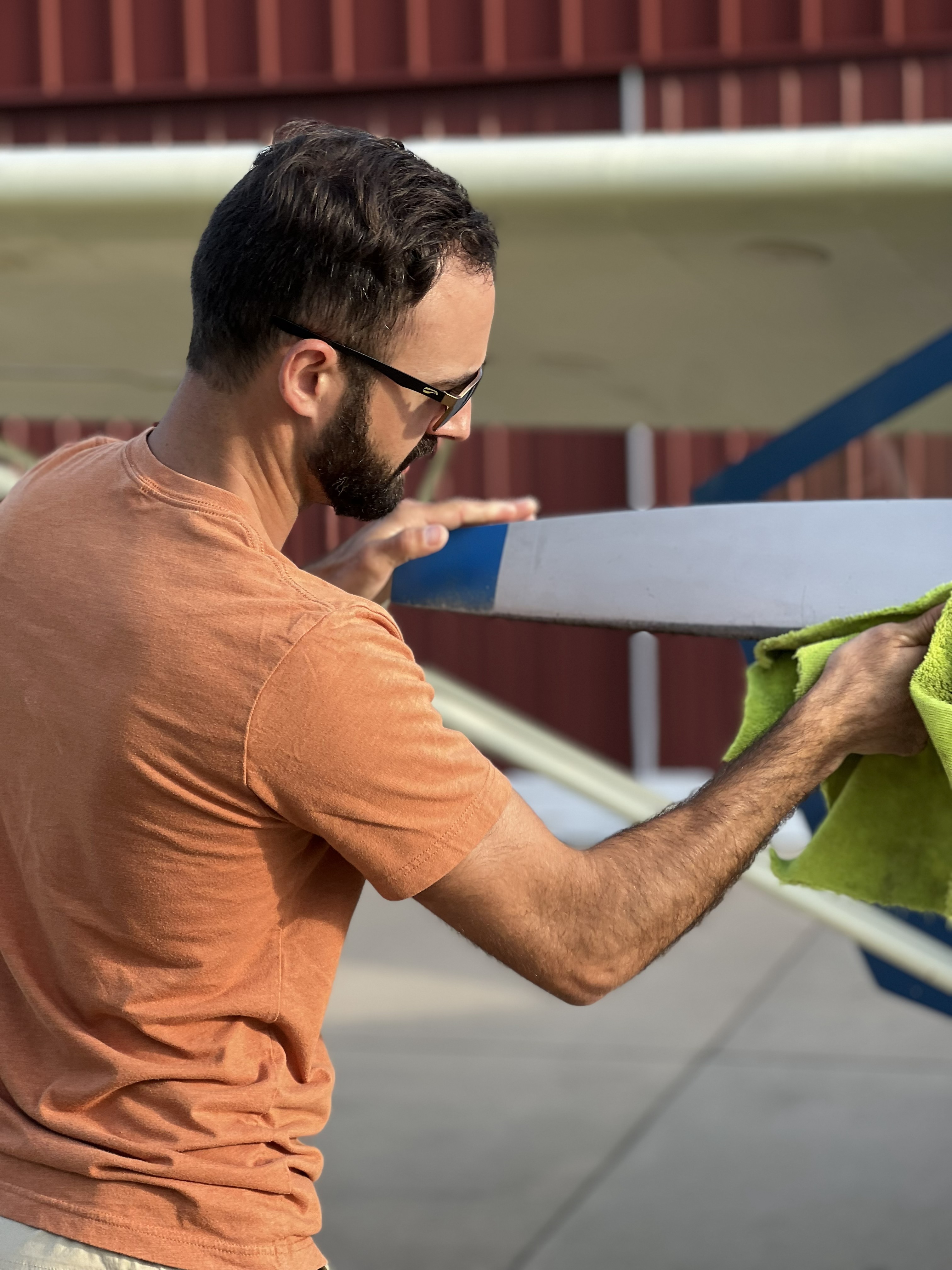
I’m Josiah Smucker, the founder of Above the Jungle Flight Training. Aviation has been a major part of my life for over a decade, but my passion for flying has never just been about airplanes themselves. For me, aviation represents growth, discipline, responsibility, adventure, and the continual pursuit of excellence.
I began flying in 2015 and quickly realized that aviation demanded far more than technical skill alone. The pilots I admired most were not simply capable operators — they carried themselves with humility, professionalism, and good judgment. That understanding eventually shaped the way I approach both flying and teaching today.
Early in my aviation journey, I had the opportunity to spend time in Guatemala involved in mission and bush flying operations, primarily flying the Cessna 206 in rugged environments where flying had real purpose and consequence. Those years had a lasting impact on me. Flying in remote areas sharpened my appreciation for preparation, aircraft mastery, situational awareness, and decision-making. It also inspired the name “Above the Jungle,” which became more than a brand — it became a reminder of where much of my perspective on aviation was formed.
After returning home, I continued building experience and eventually earned my flight instructor certificates. I began teaching at a local flight school, where I spent several years developing as both a pilot and instructor. Like most new instructors, I learned a tremendous amount from the right seat, but I also became increasingly intentional about growing beyond simply teaching the way I had been taught. I invested heavily in refining my own knowledge, communication skills, and flying ability because I believe instructors have a responsibility to continually improve themselves if they expect their students to do the same.
Over time, I transitioned into independent instruction so I could build the kind of training environment I believed pilots truly needed — one focused not only on checkride success, but on long-term proficiency and real-world confidence. Today, I specialize in private pilot training, tailwheel instruction, stick-and-rudder flying, spin training, instrument proficiency, flight reviews, and aircraft-specific coaching for owners. I’ve worked with everyone from brand-new students to experienced pilots looking to sharpen their skills or regain confidence.
One of the biggest ideas that shapes my instruction is what I often call “mastery over minimums.” The FAA standards are important, but they are minimum standards. I believe pilots should pursue a level of understanding and proficiency that goes beyond simply checking boxes or rushing toward milestones. That mindset applies not only to maneuvers and ACS tolerances, but also to expectations like “I should solo by ten hours” or “I need to finish exactly at forty hours.” Every pilot learns differently, and true confidence comes from competence, not arbitrary timelines.
I also believe aviation training should remain personal. Flying can be challenging and humbling, and students learn best when they feel both supported and challenged appropriately. I try to bring humor, honesty, and encouragement into the cockpit while maintaining a strong emphasis on professionalism and accountability. Many of my students know me for detailed post-flight critiques, structured training, and an emphasis on understanding why we do things — not just memorizing procedures.
Safety is another deeply personal area for me. Throughout my aviation journey, I’ve experienced the loss of friends within the industry, and those experiences have reinforced the importance of humility and intentionality in aviation. They continue to influence the seriousness with which I approach risk management, decision-making, and instruction. Aviation is incredibly rewarding, but it does not tolerate complacency well.
Outside of flying, I enjoy hiking, wood carving, playing guitar, and spending time outdoors. I’m drawn to rugged places and mountain environments, and many of the same qualities I love about aviation — adventure, challenge, precision, and perspective — are reflected in those interests as well.
At the end of the day, my goal is simple: to help pilots become safer, more capable, and more confident versions of themselves. Whether someone is working toward their first solo, refining advanced stick-and-rudder skills, pursuing instrument proficiency, or simply trying to become a more thoughtful pilot, I want the training they receive to genuinely impact the way they fly for years to come.